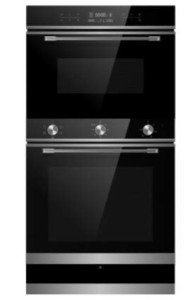
The Comprehensive Guide to Electric Built-In Ovens in the UK
In the modern kitchen, built-in ovens are necessary appliances that elevate both functionality and aesthetic appeals. Electric built-in ovens, in particular, have actually ended up being a popular choice among house owners in the UK. This short article explores the features, advantages, installation considerations, and leading brands available in the UK market.
Understanding Electric Built-In Ovens
Electric built-in ovens are particularly designed to be integrated into kitchen cabinetry. Unlike freestanding models, they use a smooth and sophisticated look, making them a favorite amongst contemporary kitchen designs. These ovens come in various configurations, including single, double, and combination models (which integrate microwave innovation).
Features of Electric Built-In Ovens
Electric built-in ovens boast a variety of features that boost use and cooking accuracy. Below is an extensive list of typical features discovered in these ovens:
- Digital Controls: Many models feature easy to use digital user interfaces for easy temperature setting and time management.
- Self-Cleaning Options: Certain electric ovens included self-cleaning functions, utilizing heats to incinerate food residues.
- Numerous Cooking Modes: Electric ovens offer a number of cooking modes, including convection, barbecuing, and combination cooking.
- Energy Efficiency Ratings: Models are typically ranked for energy performance, suggesting their consumption levels.
- Safety Features: These might consist of cool-touch doors, timer alarms, and child locks to improve kitchen security.
Advantages of Electric Built-In Ovens
Electric built-in ovens are commemorated for various factors. Amongst them:
- Consistent Heating: They provide consistent heat circulation, which is vital for baking and roasting.
- Visual Appeal: Built-in designs produce a streamlined look that improves kitchen decoration.
- Area Saving: They inhabit less space in the kitchen than traditional freestanding ovens.
- Innovative Features: These ovens frequently come geared up with advanced functions that make cooking much easier and more pleasurable.
Popular Brands of Electric Built-In Ovens
The UK market offers a range of electric built-in ovens from respectable brand names. Below is a table summarizing some of the prominent producers together with their popular designs.
| Brand | Popular Models | Key Features | Rate Range |
|---|---|---|---|
| Bosch | Series 4, Series 6 | 3D HotAir, Touch Control | ₤ 400 - ₤ 1,500 |
| Neff | Slide&& Hide, CircoTherm | Fold-away door, CircoTherm technology | ₤ 600 - ₤ 1,800 |
| Siemens | iQ700, iQ500 | Home Connect, PerfectBake | ₤ 500 - ₤ 2,000 |
| Miele | Miele H 6260 BP | Gourmet, PerfectClean | ₤ 1,500 - ₤ 3,500 |
| Samsung | Double Cook, Smart Oven | SmartThings connection, Dual Cook feature | ₤ 600 - ₤ 1,800 |
Setup Considerations
Installing an electric built-in oven requires careful planning and professional handling. Here are some key considerations:
- Space Requirements: Verify that the oven's dimensions fit into the assigned cabinetry.
- Electrical Supply: Ensure sufficient electrical circuitry is readily available, as electric ovens often need greater voltage.
- Ventilation: Consider ventilation requirements, particularly if the oven makes use of more than one cooking mode.
- Expert Installation: It is a good idea to hire a certified service technician for installation to guarantee security and adherence to local building codes.
Buying Guide for Electric Built-In Ovens
When choosing an electric built-in oven, prospective buyers should consider a number of crucial aspects:
- Capacity: Determine the size based on cooking needs and kitchen area.
- Functionality: Assess functions that are necessary for your cooking style (e.g., convection cooking).
- Energy Efficiency: Look for models with high energy performance rankings to minimize energy expenses.
- Guarantee and Support: Choose brand names that use appropriate support and guarantees for peace of mind.
- User Reviews: Research user feedback to understand the performance and reliability of various models.
FAQs about Electric Built-In Ovens
1. What is the difference in between built-in and integrated ovens? built in oven and induction hob package -in ovens are designed to be installed into existing cabinets, while integrated ovens fit effortlessly behind cabinet doors and are normally smaller. 2. Are electric built-in ovens more energy-efficient than gas ovens?Generally, electric ovens are thought about more energy-efficient when
it comes to consistent temperature level control; however, this can vary based on particular models and use. 3. How frequently ought to I clean my electric built-in oven?It's advisable to clean up the oven after every couple of
uses, especially for non-self-cleaning models, to prevent buildup. Self-cleaning models ought to be utilized according to the maker's guidelines. 4. Can I install a built-in oven myself?While some property owners may attempt DIY setups, it is recommended to hire a certified service technician to guarantee security and compliance with electrical policies. 5. What
are the most common concerns with electric built-in ovens?Common issues include malfunctioning heating elements, concerns with temperature regulation, and malfunctioning digital controls.
Electric built-in ovens represent an integration of effectiveness, style, and contemporary cooking abilities. Their versatile functions and visual appeal make them an excellent addition to any kitchen layout. By considering the
buying factors and being informed about different brand names and functions, customers can discover the ideal electric built-in oven to satisfy their culinary needs. Overall, these appliances continue to transform the method people prepare, highlighting convenience and development in the heart of the home.